
Research
Dalhousieā€™s new Killam Memorial Chairs push boundaries in health, humanities, and agriculture

Four Dalhousie researchers are set to embark on the next chapter of their scholarly careers with strong momentum behind them as Killam Memorial Chairs. Read more.
Featured News

Wednesday, June 24, 2026
Led by Dalhousie, BioLabs East will build a GMP ā€” Good Manufacturing Practice ā€” facility in Nova Scotia, producing vaccines and cell therapies for clinical trials while strengthening Canadaā€™s biomanufacturing capacity and innovation ecosystem.
Thursday, June 25, 2026
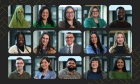
A reimagined OpenThink cohort moves beyond blogging, testing podcasts and social media to broaden impact, connect with new audiences, and amplify how Dal research informs public dialogue and policy.
Thursday, June 18, 2026
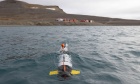
Dalhousie robotics and underwater acoustics researcher Dr. Mae Seto is working with Defence Research & Development Canada to develop intelligent autonomous sensing systems that can extend the reach of the Canadian Armed Forces in the Arctic and help Canada protect its sovereignty in remote, harsh maritime environments.
Archives - Research
Monday, March 22, 2021
As the number of people in Canada with dementia continues to grow, researcher Elaine Moody is undertaking a CIHR-funded study that will help pave the way for more patient-oriented research and care.
Friday, March 19, 2021
The Faculty of Computer Scienceā€™s ability to help meet Nova Scotiaā€™s growing tech-sector talent demand is receiving a next-level upgrade thanks to $13.3M in new funding from the Province.
Wednesday, March 17, 2021
An international team of researchers, including Dalhousie's Boris Worm, has developed a comprehensive plan that would safeguard more than 80 per cent of global habitats for endangered marine species ā€” while also increasing fish catches and curbing carbon emissions.
OpenThink, again! New cohort of PhD researchers set to share their ideas and insights with the world
Tuesday, March 16, 2021
Meet the 13 researchers selected from across the university to join the 2021 cohort of OpenThink, a program that gives future thought leaders the training and platform they need to influence public discourse and policy.
Monday, March 15, 2021
Debates about public safety and temporary foreign workers continue without input from those whose health is most affected. Migrant workers themselves are largely invisible amid discussions about risk, write Raluca Bejan and Kristi Allain.